Key federal and state policy developments affecting Native communities, including housing legislation, voting policy debates, and a Supreme Court case reviewing birthright citizenship.
At North Dakota Native Vote, we are tracking several policy debates, court decisions, and upcoming elections shaping the civic landscape for Native communities. Recent developments include ongoing debate around the SAVE America Act, new federal legislation aimed at strengthening tribal housing programs, and a Supreme Court case reviewing birthright citizenship.
Key updates from late March and early April are highlighted in this newsletter issue, along with a reminder about North Dakota’s June 9, 2026, primary election and a ballot measure that could directly affect future citizen-led initiatives. Staying up-to-date on these developments ensures Native voices remain engaged in the policies and decisions that impact Tribal Nations and communities across North Dakota and the rest of the country.
Upcoming: 2026 primary election
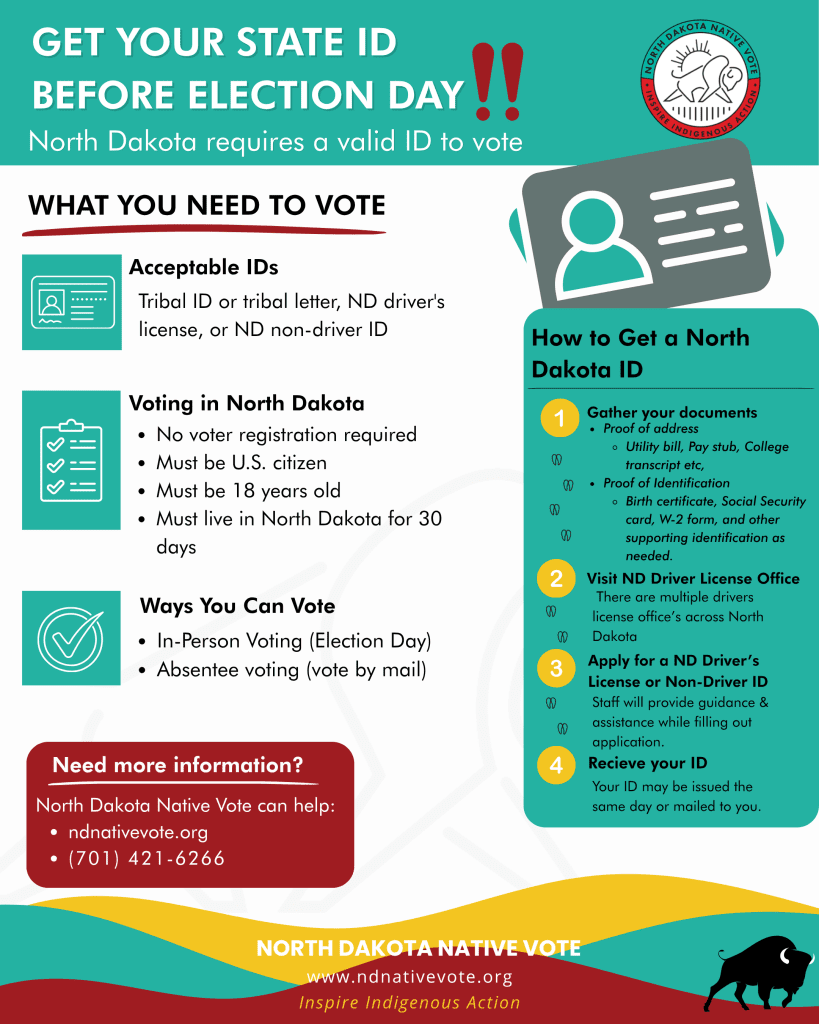
Mark your calendars! The North Dakota Primary Election is June 9, 2026.
Check Your ID: Ensure your Tribal ID or state-issued ID has your current residential address.
Constitutional Measure 1: This June, North Dakota voters will decide on a proposed change to how ballot initiatives are written. This measure would establish a “Single-Subject Rule,” requiring any citizen-led initiative to cover only one specific topic.
Why This Matters: While “one topic” sounds easy, this rule could be used to legally challenge and block comprehensive reforms that our communities care about.
Native-led initiatives often address overlapping issues because our community’s needs are interconnected. This measure could make it much harder and more expensive for grassroots groups to pass the meaningful, multi-layer changes we need to see in North Dakota.
SAVE America Act: What it Means for North Dakota
In late March, federal debates intensified regarding the Safeguard American Voter Eligibility (SAVE) Act. The SAVE Act would require individuals to provide documented proof of U.S. citizenship (a passport or birth certificate) to register to vote in federal elections.
Why This Matters: North Dakota is the only state in the country without voter registration; however, we do have strict voter ID laws that already require specific forms of identification at the polls. If the SAVE Act is authorized, it could create unnecessary hurdles for Native voters.
Even if the voter has a valid Tribal ID meeting current state requirements, this Act could require them to provide another form of identification. North Dakota Native Vote is closely monitoring this legislation to ensure that new federal mandates do not unfairly limit access to the ballot for our Tribal communities.
NAHASDA Modernization Act of 2026
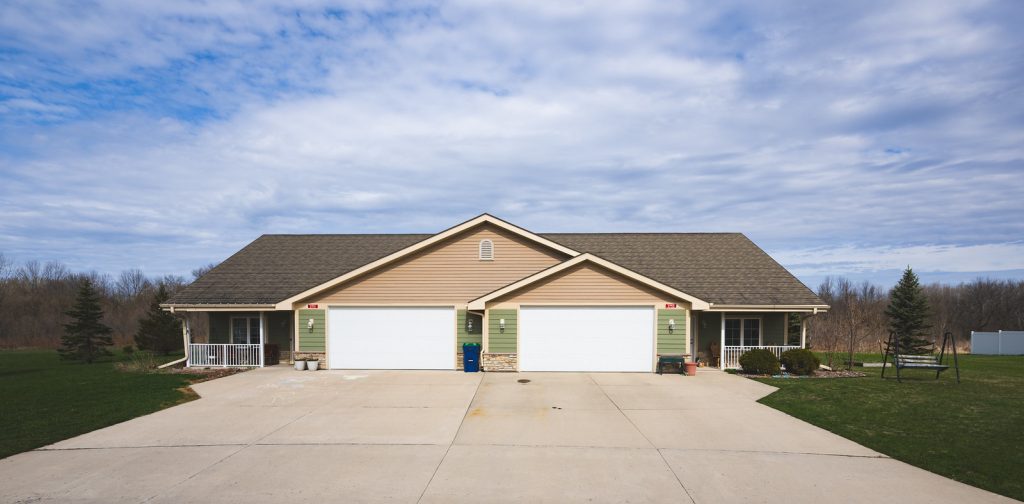
Source: U.S. Department of Housing and Urban Development (HUD)
Introduced on March 27, 2026, the Native American Housing Assistance and Self-Determination Act (NAHASDA) is a bipartisan effort focused on strengthening housing programs across Indian Country. The bill was introduced in the Senate by Sen. Lisa Murkowski (R-AK), Chair of the Senate Committee on Indian Affairs, and Sen. Brian Schatz (D-HI), the committee’s Vice Chair. Companion legislation in the House was introduced by Rep. Troy Downing (R-MT) and Rep. Janelle Bynum (D-OR).
- The Goal: Reauthorize NAHASDA programs through 2033.
- The Impact: This ensures long-term federal support, giving Tribes the authority to design housing programs that actually reflect their community’s specific needs.
- The Bottom Line: Extending this funding is vital to addressing housing shortages and strengthening Tribal self-determination
Contact Representatives: Find your representatives
Supreme Court Update: Trump V. Barbara
On April 1, the Supreme Court heard oral arguments in Trump v. Barbara, a landmark case challenging the administration’s Executive Order 14160. This order seeks to eliminate birthright citizenship for children born to parents with temporary or unlawful status. During the hearing, several Justices expressed skepticism regarding the administration’s authority to bypass the 14th Amendment via an executive order. This suggests a potential path toward a ruling upholding the long-standing principle that citizenship is a birthright for all born on U.S. soil.
Why This Matters: This case directly impacts the 14th Amendment, which states that babies born in the United States are U.S. citizens. For our communities, this is a vital protection of the principle that citizenship is a birthright, not something that can be redefined. A decision is expected by early July.
With Gratitude
Everything we do at North Dakota Native Vote is made possible because of the support and engagement of community members like you. Whether you are staying informed on these policy shifts or preparing for the upcoming elections, you are the heart of this movement.
Thank you for being part of our community and standing with us as we work toward a more representative future for all Tribal Nations.